Wat Phnom
Explore Wat Phnom in depth
Choose a specific subject: each guide has distinct research, practical detail and a route back to the main temple.
History and architecture
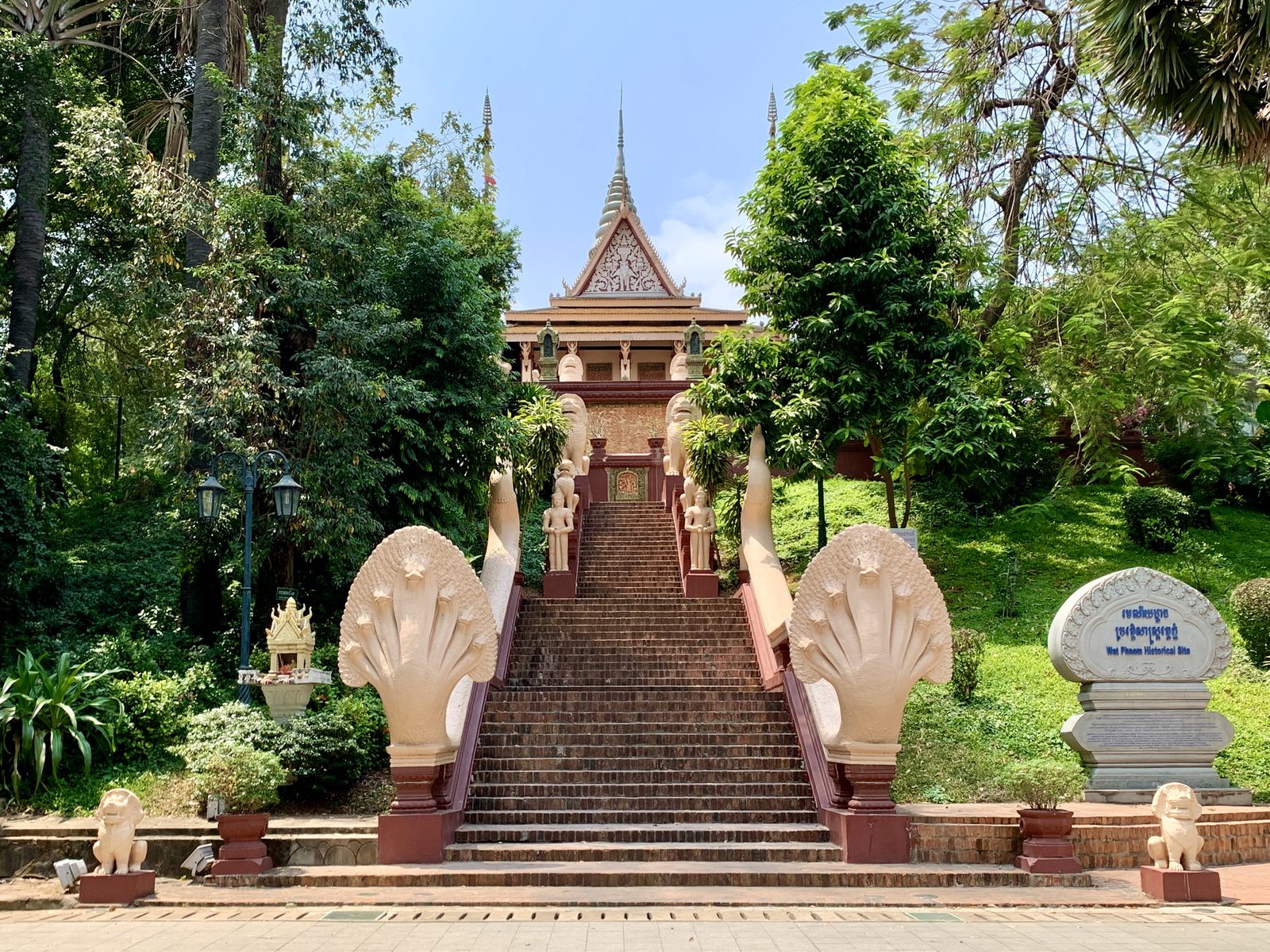
Lady Penh Legend: How Phnom Penh Got Its Name
The origin story of Phnom Penh begins with Daun Penh, a woman said to have found sacred images in a tree carried by the river. The story explains the name of the hill, but it should be read as a living local tradition rather than a complete historical chronicle.
→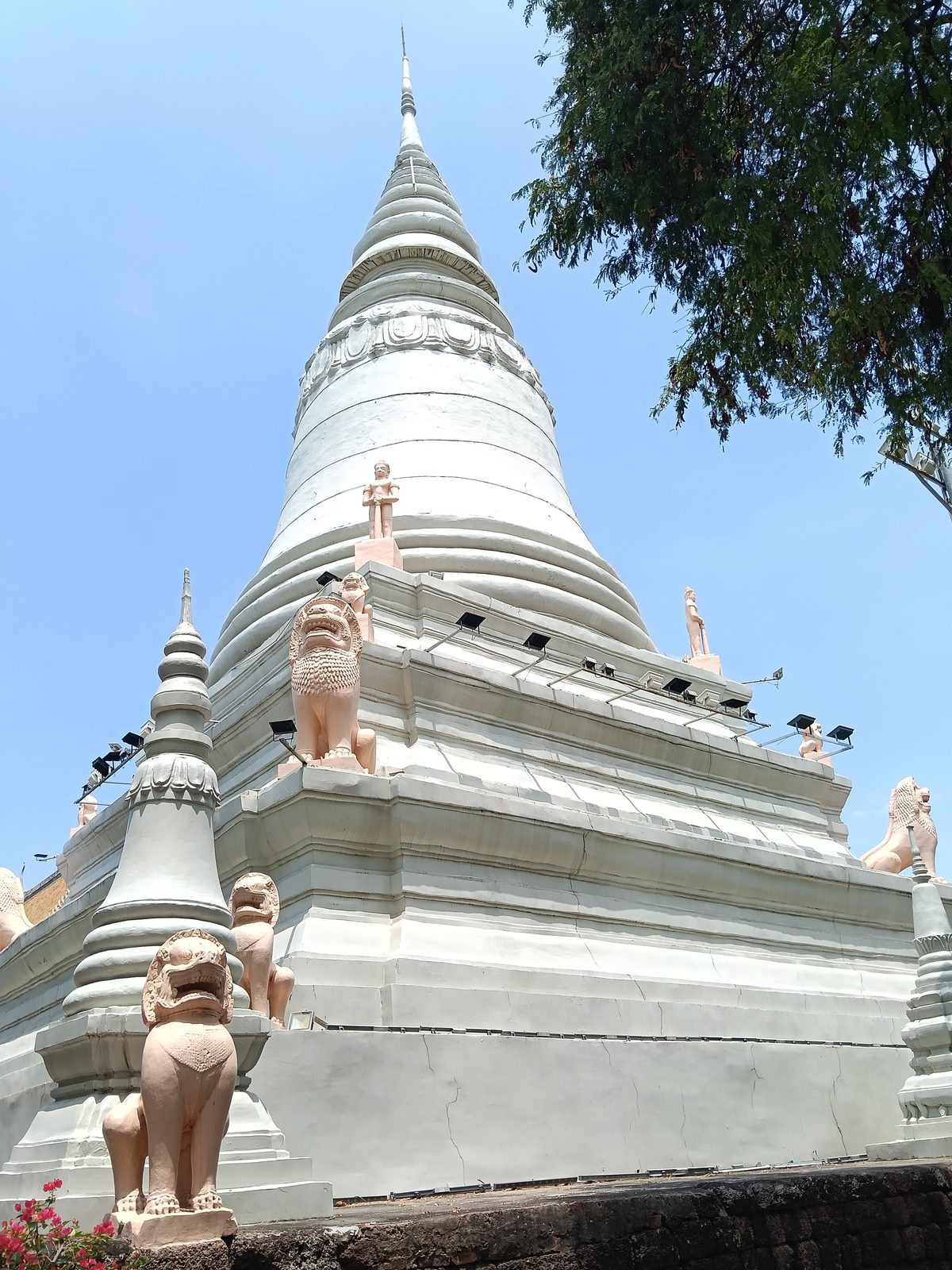
King Ponhea Yat Stupa Behind Wat Phnom
The large stupa behind the main sanctuary links this sacred hill to the royal history of Phnom Penh. It is associated with King Ponhea Yat, whose reign belongs to the period when the Khmer capital shifted south from Angkor.
→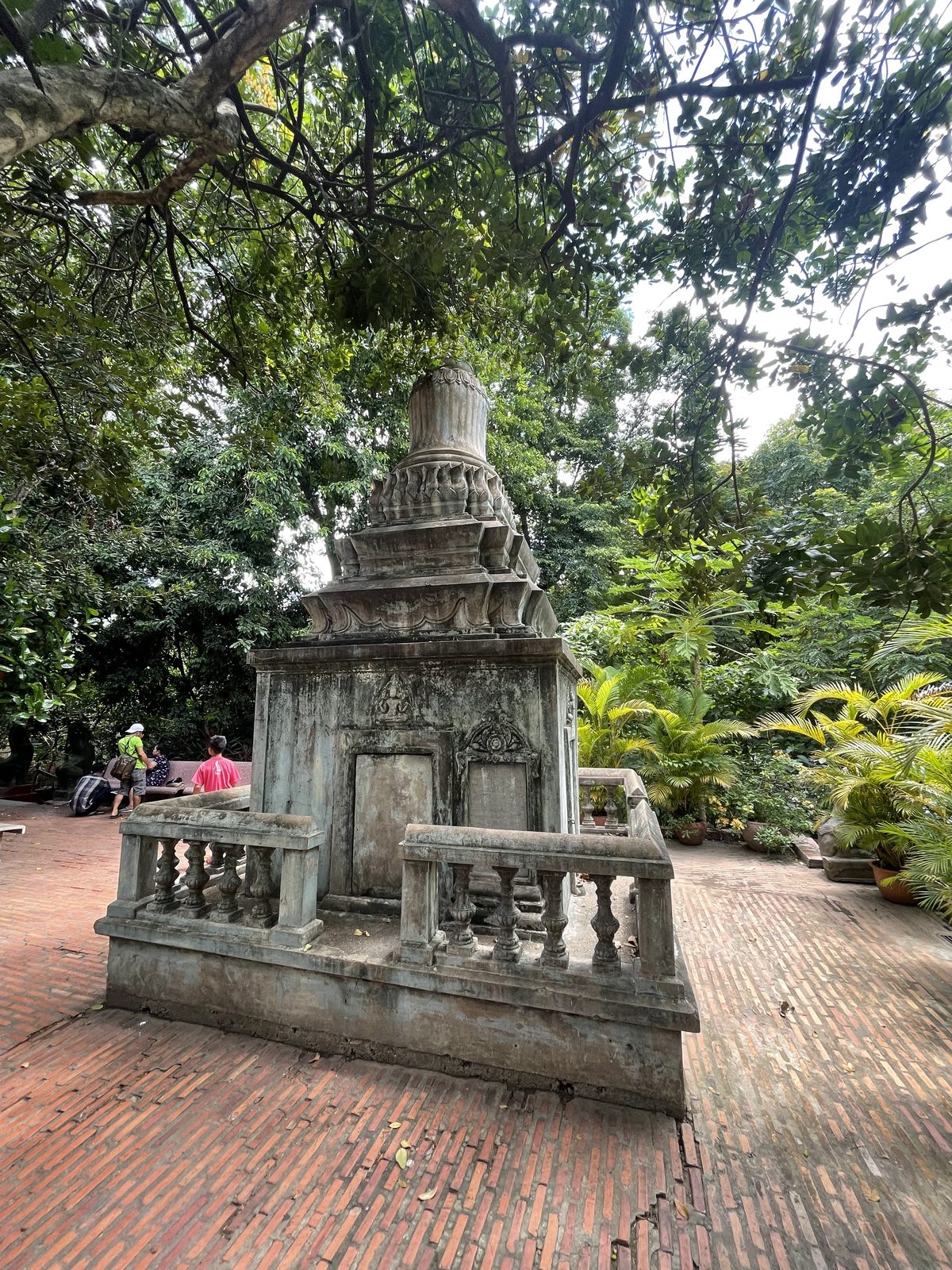
Wat Phnom Rebuilding: Why the Temple Looks Newer Than Its Legend
The Lady Penh story reaches back to the fourteenth century, but the visible sanctuary is the product of later rebuilding. The present temple should not be described as an untouched structure from the founding legend.
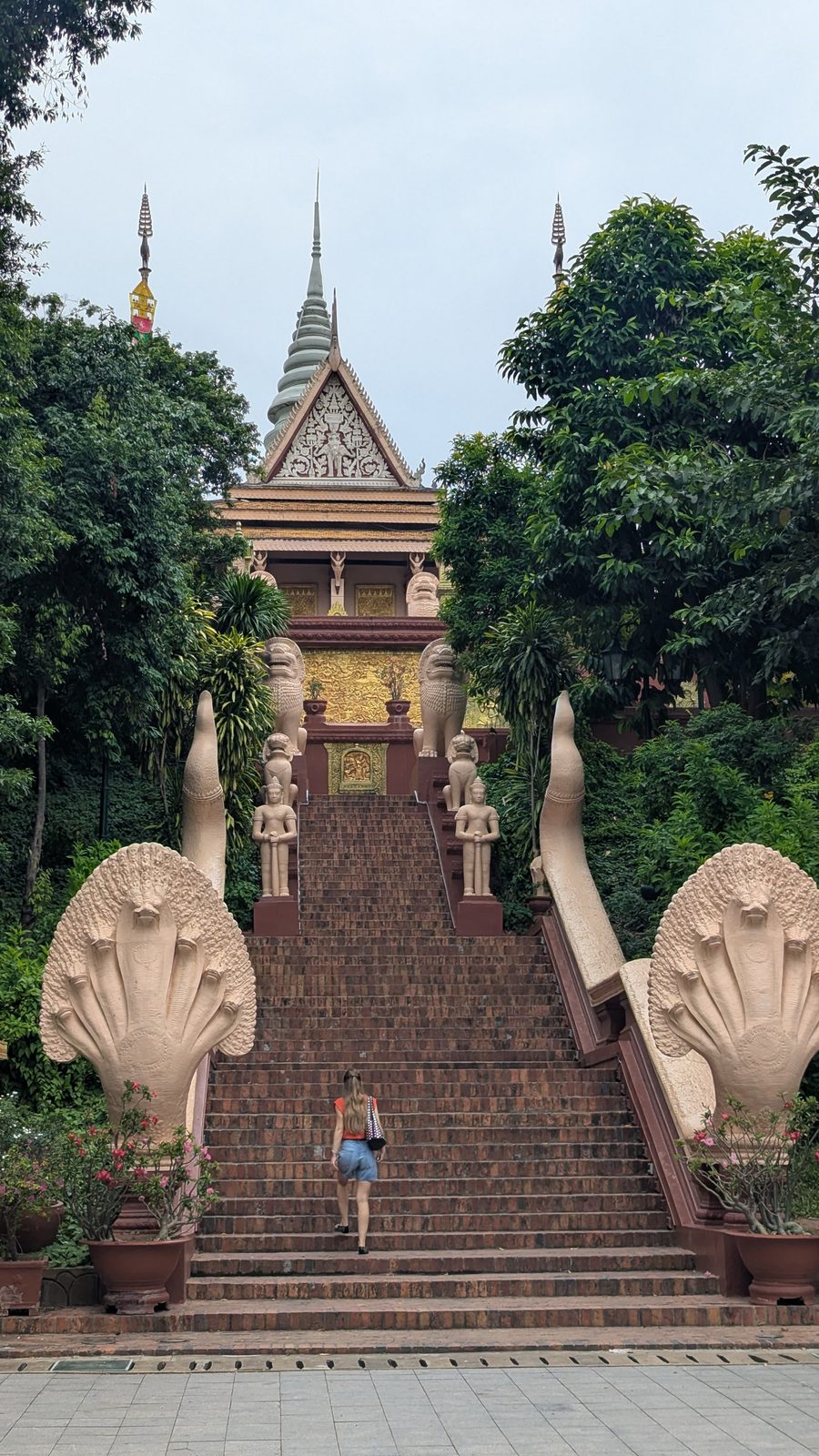
→Khmer Temple Roofs and Gables at Wat Phnom
The sanctuary roofline gives a compact introduction to Khmer Buddhist temple design. Layers of roof planes, ornamented gables and bright painted surfaces organize the building’s ceremonial presence.
→
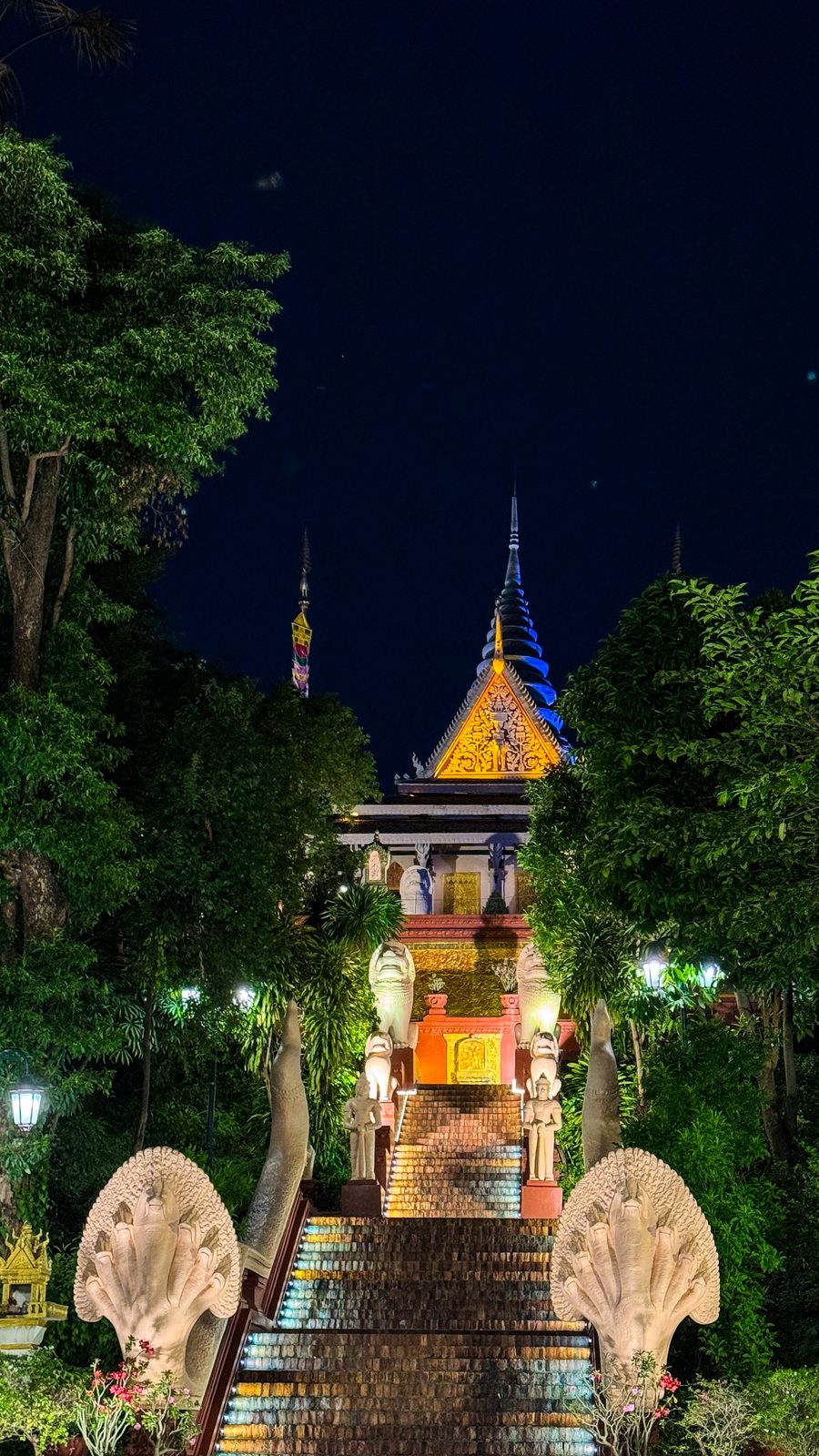
Wat Phnom Staircases and Guardian Figures
The stairways are part of the sacred approach, not merely a shortcut to the summit. Guardian figures, balustrades and the transition from city pavement to shaded hill create a staged entrance.
→
Buddhist Worship at Wat Phnom: What Visitors Are Seeing
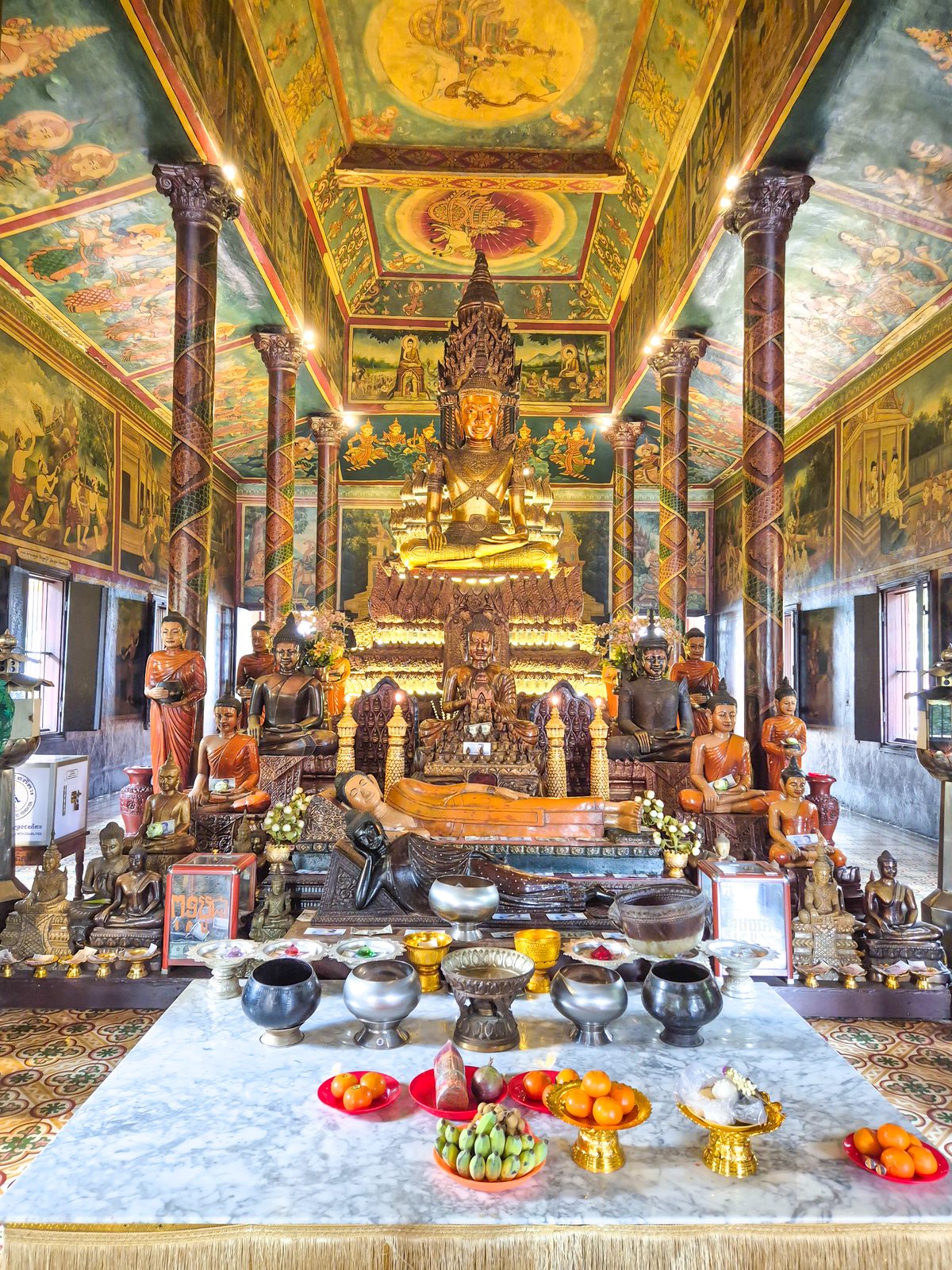
Wat Phnom remains a place of religious practice, not just a heritage attraction. Incense, flowers, quiet prayers and offerings may be part of everyday devotion when you visit.
→On-site experience
What to Wear to Wat Phnom: Respectful Temple Clothing
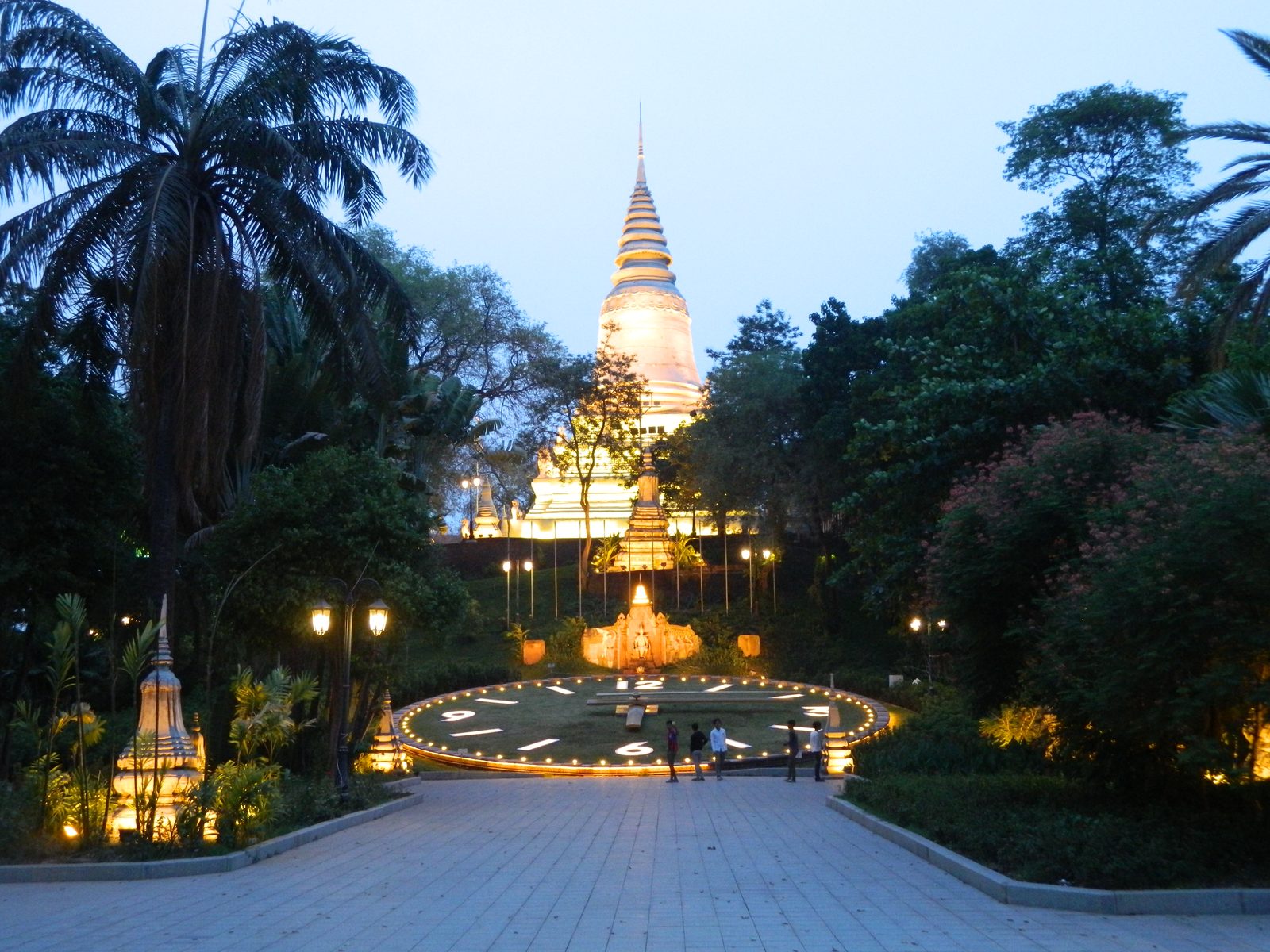
A lightweight outfit that covers shoulders and knees is a sensible choice at an active Cambodian Buddhist temple. Comfortable footwear matters because the visit includes outdoor steps and shaded but uneven paths.
→
Photography at Wat Phnom: Best Angles Without Disturbing Prayer
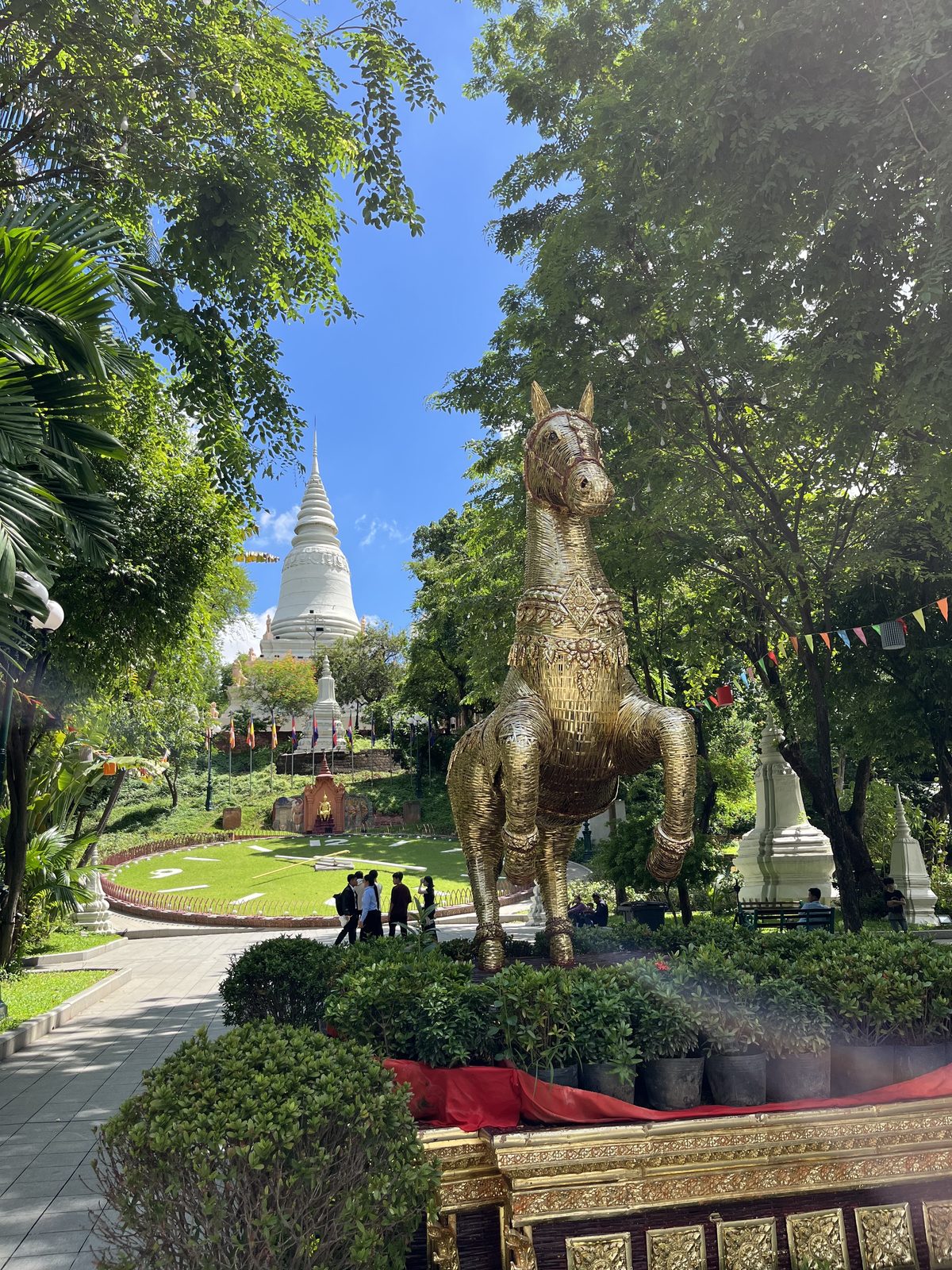
Exterior views of the decorated stairs, main roof and leafy hill are often more rewarding than intrusive images inside the sanctuary. Religious activity takes priority over a visitor’s camera.
→
Wat Phnom Hill and Trees: A Green Pause in Central Phnom Penh
At about 27 metres, Wat Phnom is a modest rise rather than a dramatic overlook. Its shade trees and paths offer a change of pace from the traffic circulating at the base.
→Offerings and Incense at Wat Phnom: A Visitor’s Explanation
Flowers, incense and other offerings are expressions of personal devotion at Wat Phnom. A visitor may observe these practices without taking part or buying anything.
→Visiting Wat Phnom With Children: Steps, Shade and Respect
The compact hill can work as a short family stop, but it has stairs, road crossings at the base and active worship areas. Plan a slower route than you would for an adult-only photo visit.
→Wat Phnom Accessibility: Stairs, Drop-Offs and Rest Stops
Access at Wat Phnom is shaped by a small raised hill and multiple stair approaches. A vehicle drop-off at the base does not guarantee a step-free route to the sanctuary.
→Visit planning
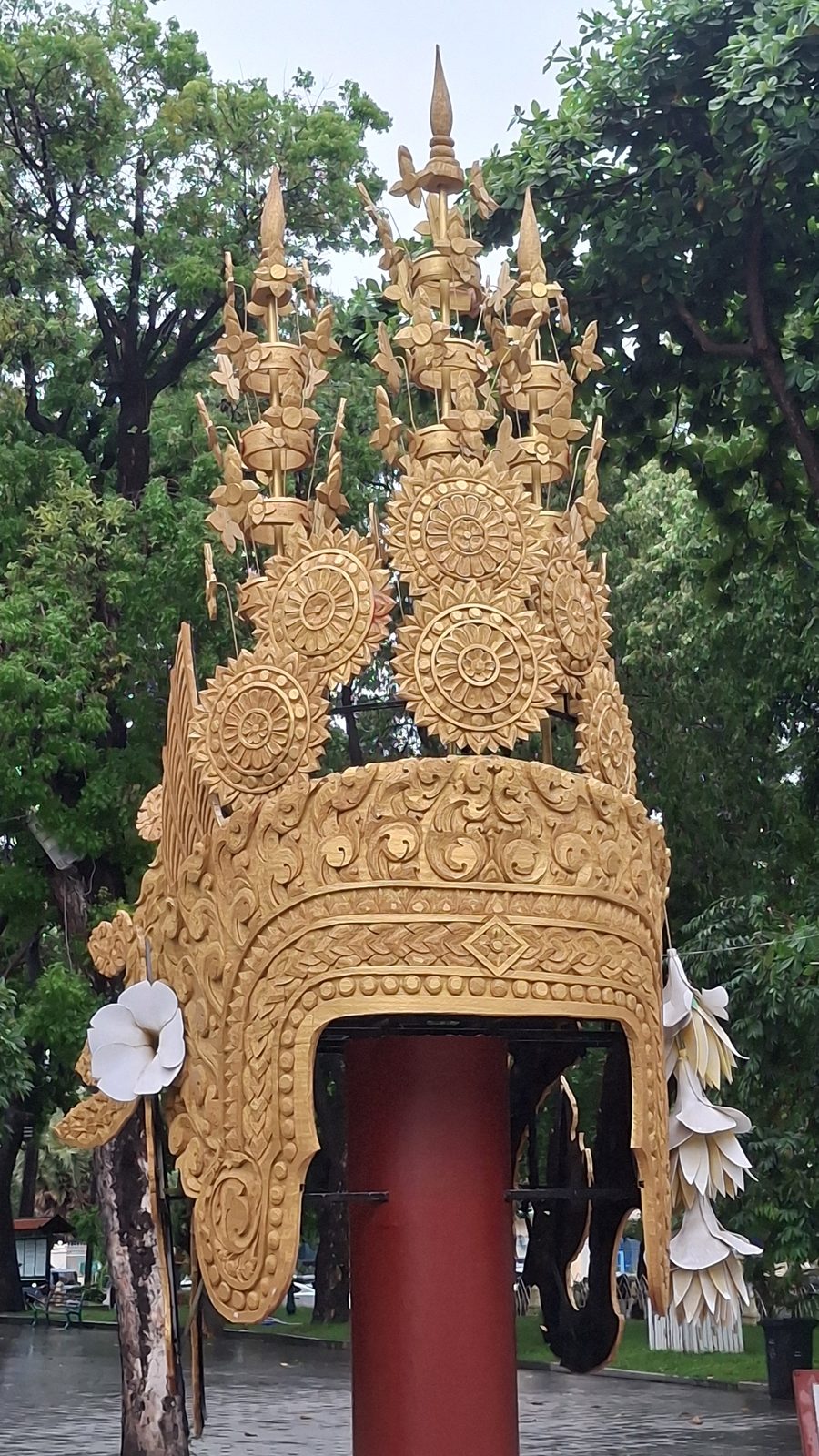
Wat Phnom in the Morning or Late Afternoon?
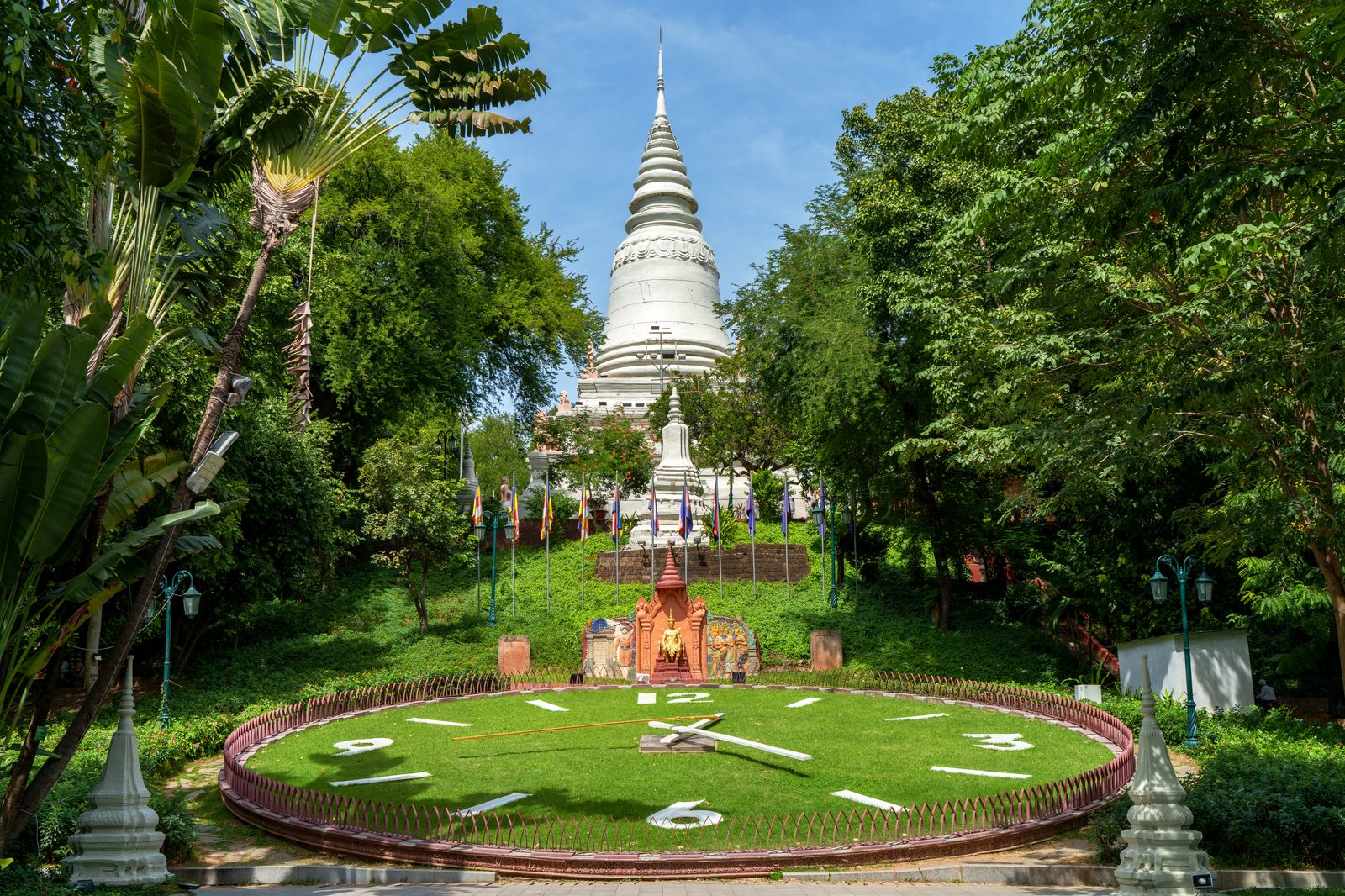
Morning visits often offer gentler temperatures for climbing the hill and observing the main roof. Late afternoon can bring softer side light for exterior photography, though the site may be busier.
→
Visiting Wat Phnom in Rainy Weather
Rain changes the character of the tree-covered hill. Wet stone steps can become slippery, while showers may interrupt an outdoor photography circuit even when the sanctuary remains the main focus.
→One Hour at Wat Phnom: A Realistic Self-Guided Route
An hour is often enough for a thoughtful introduction to the compact hill, provided you avoid turning every stop into a lengthy photo session. Worship, crowds and rain may change the pace.
→Two Hours at Wat Phnom: Slow Culture and Photography Walk
A two-hour visit lets you explore the site as an active temple and a historic landscape, not simply check off landmarks. It suits people interested in architectural detail or who need frequent rests.
→Wat Phnom in Hot Weather: Shade, Water and Pacing
The trees at Wat Phnom provide welcome shade, but the climb, city pavements and humidity can still be tiring. Heat planning matters particularly for older visitors, children and anyone combining several city sights.
→Where to Stay Near Wat Phnom: Daun Penh or Riverside?
Staying in Daun Penh or near the riverfront can make Wat Phnom an easy early stop, but neighbourhood atmosphere matters as much as map distance. The riverside tends to be more active; streets further inland vary in noise and access.
→Neighbourhood routes
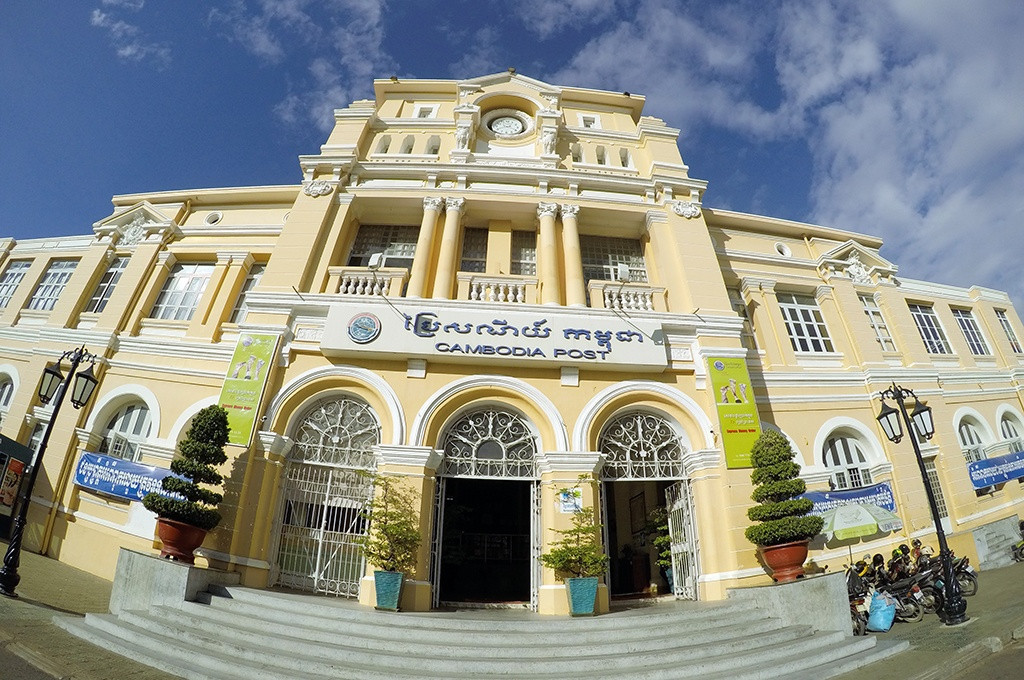
Wat Phnom to Phnom Penh Central Post Office: Heritage Walk
A useful extension from the hill is the old Central Post Office district, where the architectural focus changes from Buddhist sanctuary to civic buildings and urban streets.
→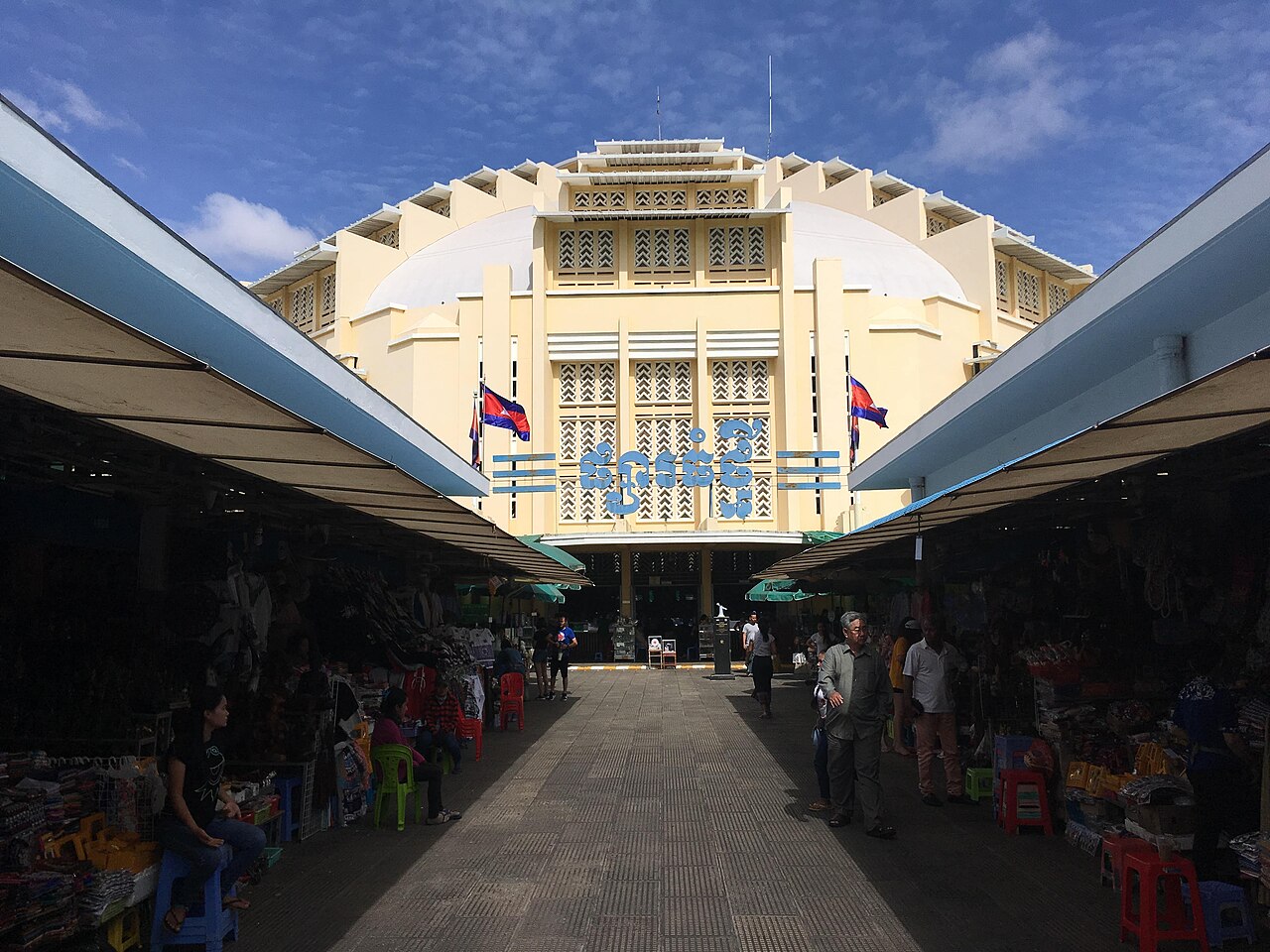
Wat Phnom to Central Market: Temple and Art Deco Contrast
Pair the small Buddhist hill with Central Market (Phsar Thmei) to see two contrasting Phnom Penh landmarks in one outing: a devotional landscape and a twentieth-century market building.
→
Wat Phnom to Sisowath Quay: Temple and Riverside Walk
The riverfront provides a different way to understand Phnom Penh after a temple visit. On the hill the focus is sacred architecture; at Sisowath Quay it becomes public space, water and urban movement.
→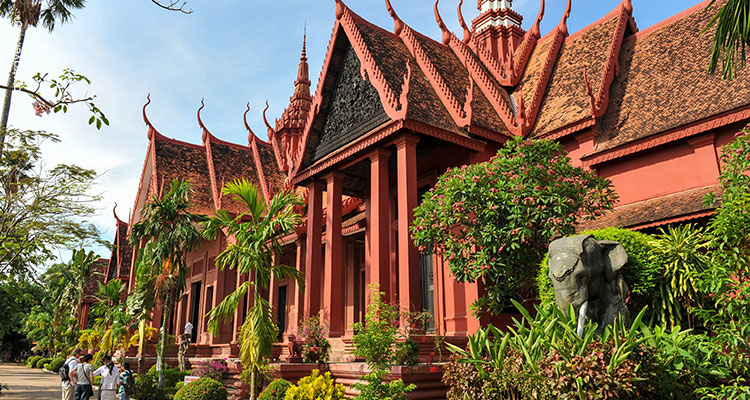
Wat Phnom and National Museum: A Khmer Culture Half-Day
Combine the living Buddhist worship site with the National Museum of Cambodia to broaden the cultural context. Wat Phnom shows religious practice in place; the museum interprets Cambodian art and heritage through collections.
→Wat Phnom and Royal Palace: Two Phnom Penh Landmarks
The Royal Palace and Wat Phnom introduce different sides of Cambodia’s capital: royal ceremonial architecture and a hilltop Buddhist sanctuary tied to the city-name legend.
→Old Daun Penh Architecture Walk After Wat Phnom
The streets south of Wat Phnom contain layers of Phnom Penh’s urban history. Comparing the temple hill, civic buildings and older commercial streets reveals more than visiting any one landmark alone.
→Half-Day Phnom Penh Itinerary Starting at Wat Phnom
A manageable half day can combine Wat Phnom, the Central Post Office district and a riverside pause. It gives variety without forcing the Royal Palace, museum and markets into one rushed block.
→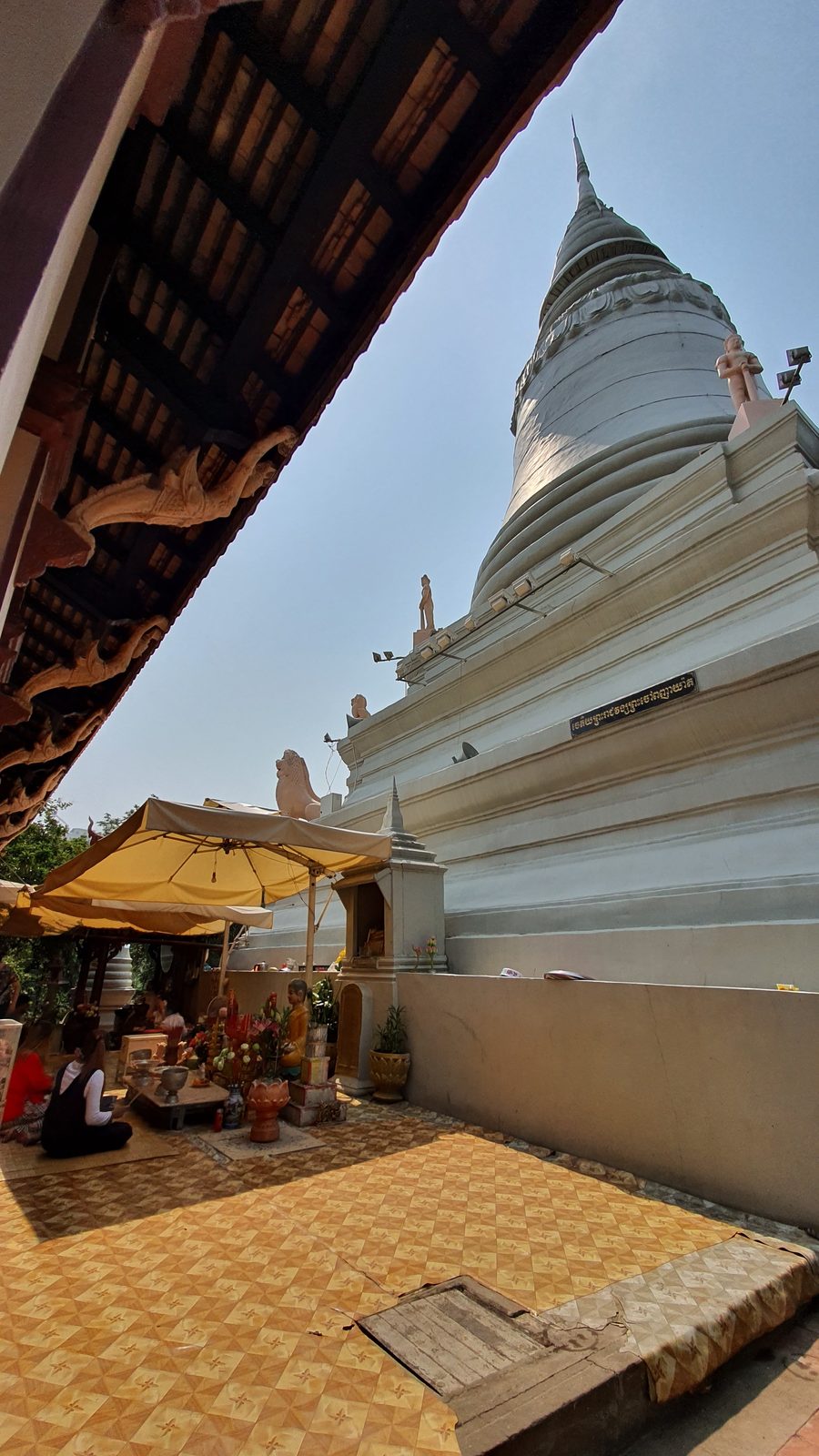
Full-Day Phnom Penh Culture Route: Wat Phnom, Museum and Palace
For one full cultural day, start with Wat Phnom’s living Buddhist setting, continue to the National Museum’s collections and visit the Royal Palace when its public areas are open.
→